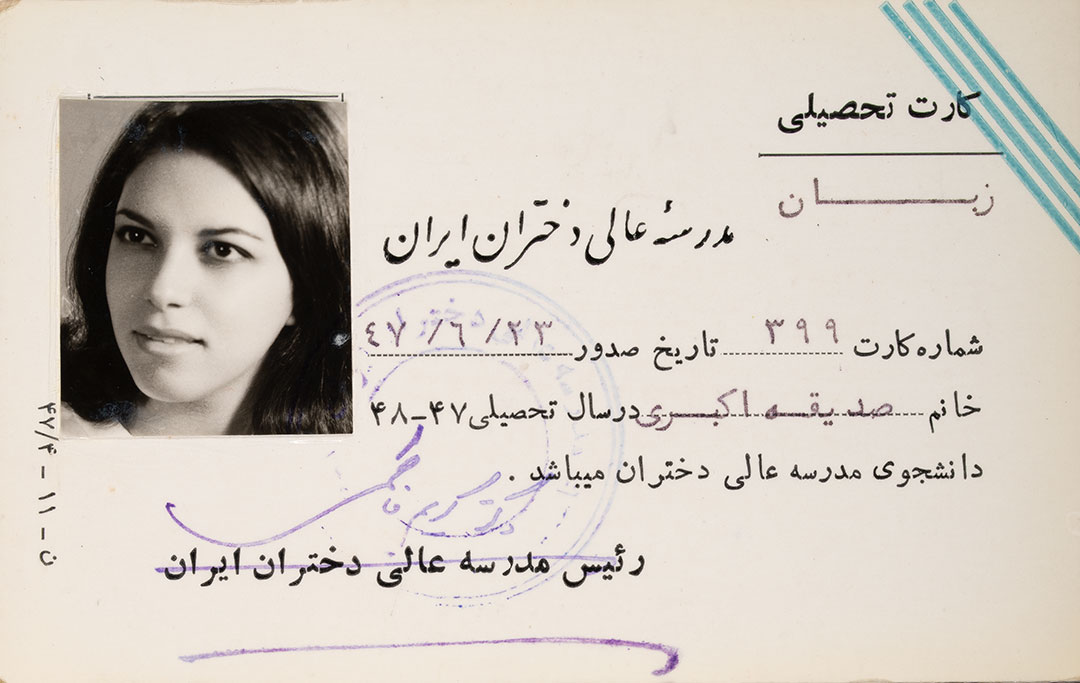
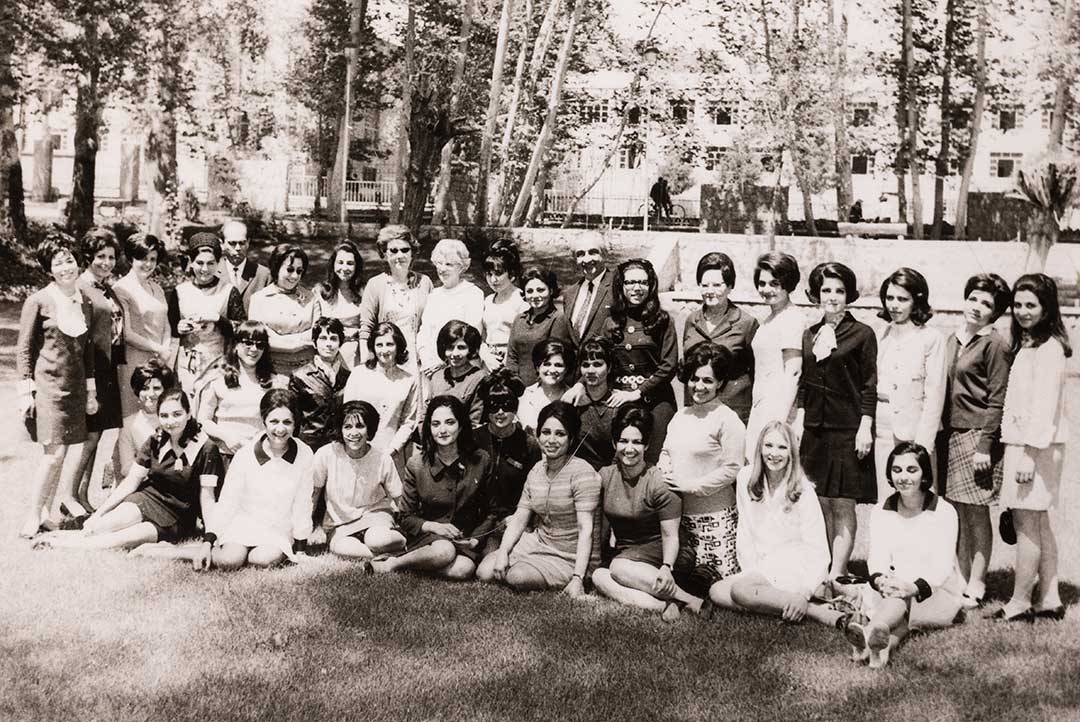
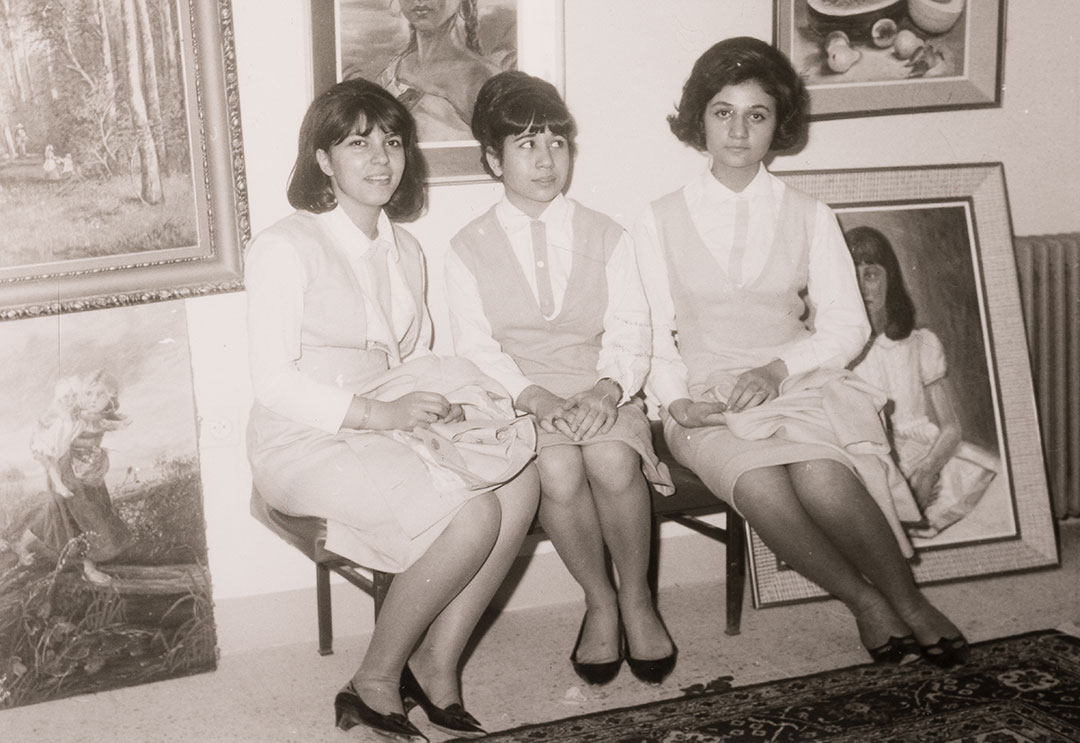
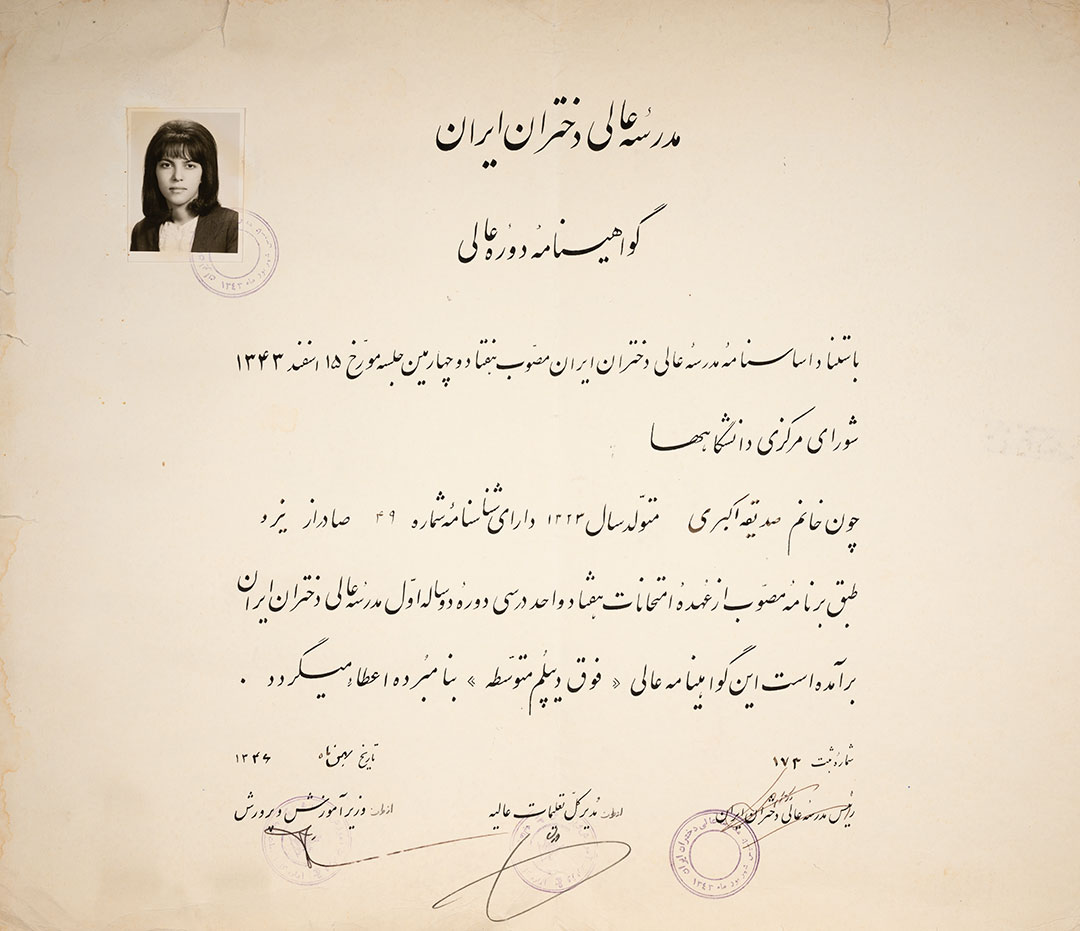
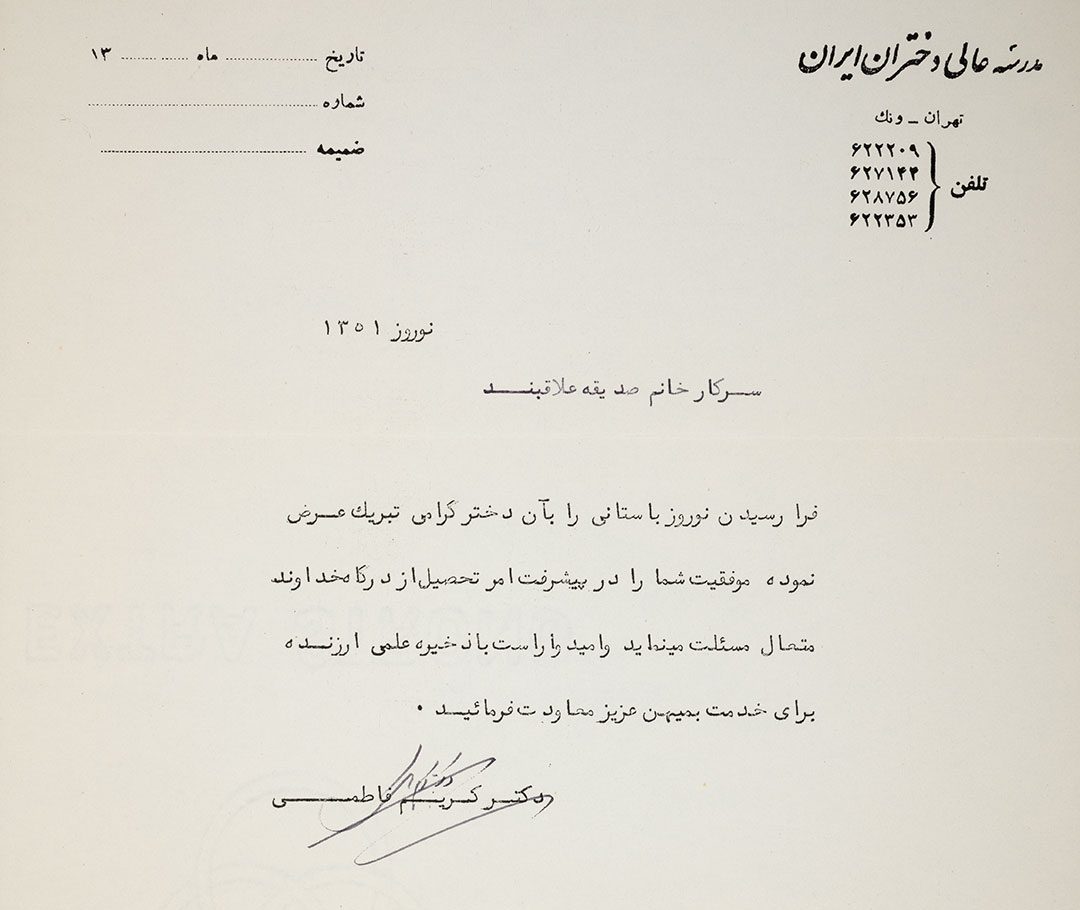
In the landscape of 1950s Tehran, amidst the tumult of cultural and social transformations of that era, an institution rose that seemed to serve as a sanctuary for the latent dreams of the women of this land; a higher education school exclusively for girls, founded in the autumn of 1944 on the endowment of a garden in Vanak—an inheritance of the late Mostowfi al-Mamalek.
This fledgling institution, initially categorized as a nonprofit entity, welcomed ninety-five eager female students in its first year, who studied foreign languages, domestic sciences, and principles of nutrition—without imagining that one day this place would become one of the most comprehensive women’s universities in the entire Islamic world.
In 1964, through the efforts of Dr. Karim Fatemi and with the support of Farah Pahlavi, the higher school was elevated to university status and named “Farah Pahlavi University.” This new institution was the first to admit students through a nationwide entrance exam. Its initial four faculties—Basic Sciences, Literature and Humanities, Management and Economics, and Fine Arts—opened new horizons for the women of the country. Before long, the university became a vibrant arena for the emergence of female talents, with each faculty serving as a gateway to thought and action.
During this period, Mehri Akbari, the Iranian artist, entered the university. Having completed her secondary education in the mid-1950s, she pursued studies in English language. However, what remained with her beyond academic lessons was a new vision of migration. After graduating, Mehri departed for England to experience another world through the window of language.
Mehri Akbari
Mehri Akbari, born in 1944 in Yazd, Iran, is a seasoned painter and art educator who has dedicated over five decades of her life to art and community service. . Her passion for colors and painting began in childhood and was nurtured under the guidance of prominent masters such as Petgar and Mir-Emadi.
All rights to this website are reserved by Mehri Akbari.